The NMC’s October 2026 advertising guidelines put patient reviews and testimonials for promotion off limits, and many clinics are now unsure whether they can ask patients anything at all. They can. Listening to patients to improve care is different from collecting praise to attract new ones. This post explains where that line sits, how to gather useful private feedback, and how to handle complaints and public reviews professionally.
Please note: this is a practical reading of the guidelines, not legal advice. Read the NMC notice itself, watch for clarifications from the NMC or your State Medical Council, and take advice on specific cases.
Feedback and Reviews Are Not the Same Thing
It helps to separate two activities that often get lumped together:
- Private feedback is collected by the clinic, for the clinic, to improve its service: waiting times, staff courtesy, clarity of instructions, cleanliness. It is not published.
- Public reviews and testimonials appear on Google, social media, listing platforms or your website, where they work as promotion for the clinic or doctor.
The guidelines are aimed at the second. A clinic that asks "how was your wait today?" to fix its scheduling is doing quality improvement. A clinic that asks happy patients to post five-star reviews is soliciting promotion.
What the NMC Guidelines Restrict
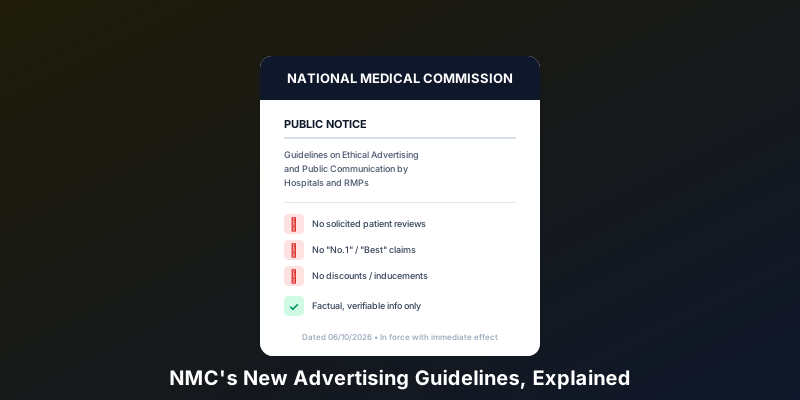
As summarised in our full breakdown of the guidelines, practitioners and clinics may not solicit, purchase, procure, manipulate or cause to be published patient reviews, ratings, testimonials or endorsements for promotional purposes. In practice, that rules out:
- asking patients, in person or by message, to leave a Google or platform review;
- automated review-request messages after a visit;
- sharing or reposting patient testimonials or reviews on social media or your website;
- offering anything in return for a review, or buying reviews, followers or ratings.
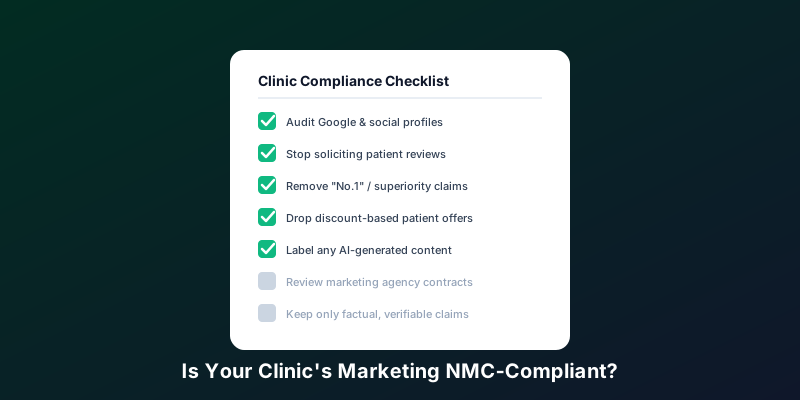
Responsibility does not move to an agency or software provider if they send the requests for you. Our NMC compliance checklist covers how to audit each channel.
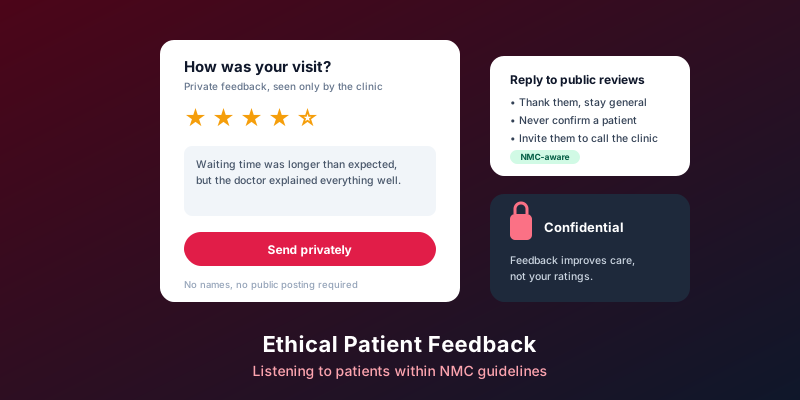
Collecting Private Feedback the Right Way
Keep private feedback clearly separate from anything public:
- A short paper form or a suggestion box at reception, with the option to stay anonymous.
- A private online form on a QR code at the desk, going only to the clinic, with no link to any public review site.
- A brief question at checkout, such as "Was anything difficult about your visit today?", with the answer noted for the monthly review.
- A periodic short survey to patients who agreed to receive messages, kept strictly operational, with no offers and no review links.
Make the purpose clear on the form itself: "to help us improve our service; responses are not published". If you collect names or phone numbers with feedback, they are personal data; collect only what you need. See our guide to DPDP consent for clinics.
What to Ask
Ask about the experience you control, not clinical outcomes. Five or six questions are plenty:
- How easy was it to book or get a token?
- How long did you wait, and were you told how long the wait would be?
- Were reception and nursing staff courteous and helpful?
- Were your prescription and follow-up instructions clear?
- Was the bill clear, and were charges explained?
- Is there one thing we should change?
The last, open question often gives the most useful answers.
Handling Complaints and Negative Feedback
- Name a person who receives complaints and replies, so nothing sits unanswered.
- Acknowledge quickly, listen first, and avoid arguing about the facts at the front desk.
- Separate service issues from clinical concerns. Waiting time can be fixed by staff; a concern about treatment should go to the treating doctor.
- Record what happened and what you changed. A short complaints log shows patterns over time.
- Never pressure a patient to withdraw a complaint or a review.
Responding to Public Reviews Without Breaching Confidentiality
Patients will still post reviews on their own. The guidelines target solicitation and manipulation, and replying professionally to reviews that arrive unprompted falls outside those prohibitions. When you reply, remember that confidentiality still applies:
- Do not confirm that the reviewer is your patient, and never mention their condition, treatment or visit details, even to correct them.
- Keep replies short and neutral: thank them, and invite them to contact the clinic directly.
- Do not use replies to promote services, offers or claims of superiority.
- If a review appears fake or abusive, use the platform’s reporting process rather than arguing publicly.
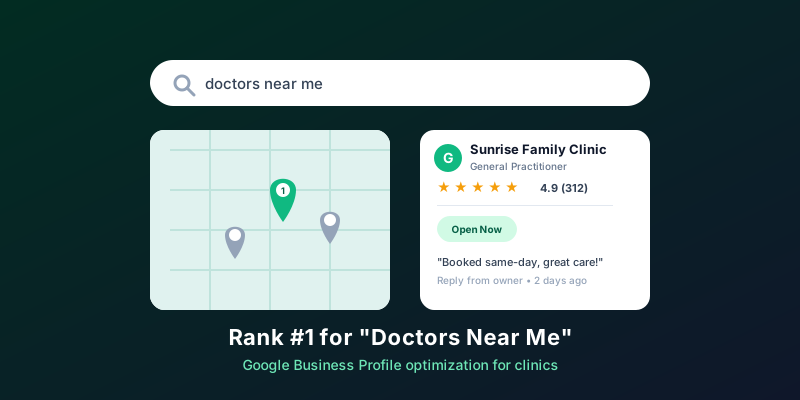
Keeping your Google Business Profile factual and up to date remains permitted; see our guide to optimising your Google Business Profile.
Turning Feedback Into Improvements
Feedback only matters if something changes. Once a month, read every response and group them into themes: waiting time, communication, billing, facilities. Pick one or two to act on, and check whether the next month’s feedback improves. Pair this with your operational numbers, such as waiting time and follow-up adherence, from our post on clinic KPIs to track monthly. Then tell staff what changed, so they see that feedback leads somewhere.
Frequently Asked Questions
Can we put a feedback QR code at reception?
A QR code to a private feedback form, used to improve services and not published, is different from a review request. Do not point it to Google or another public platform.
A patient wrote a lovely thank-you note. Can we share it?
Sharing it publicly would be using a testimonial for promotion. Share it with your team instead.
Does a listing on a doctor directory count as advertising?
The guidelines treat factual directory information, such as qualifications, registration details, specialities and availability, as patient information rather than promotion. Paid rankings are a different matter.
Be Found With Facts, Not Testimonials
List your practice on MedHive with your qualifications, services, timings and booking details.